Agnolotti del Plin Recipe with Roast Meat
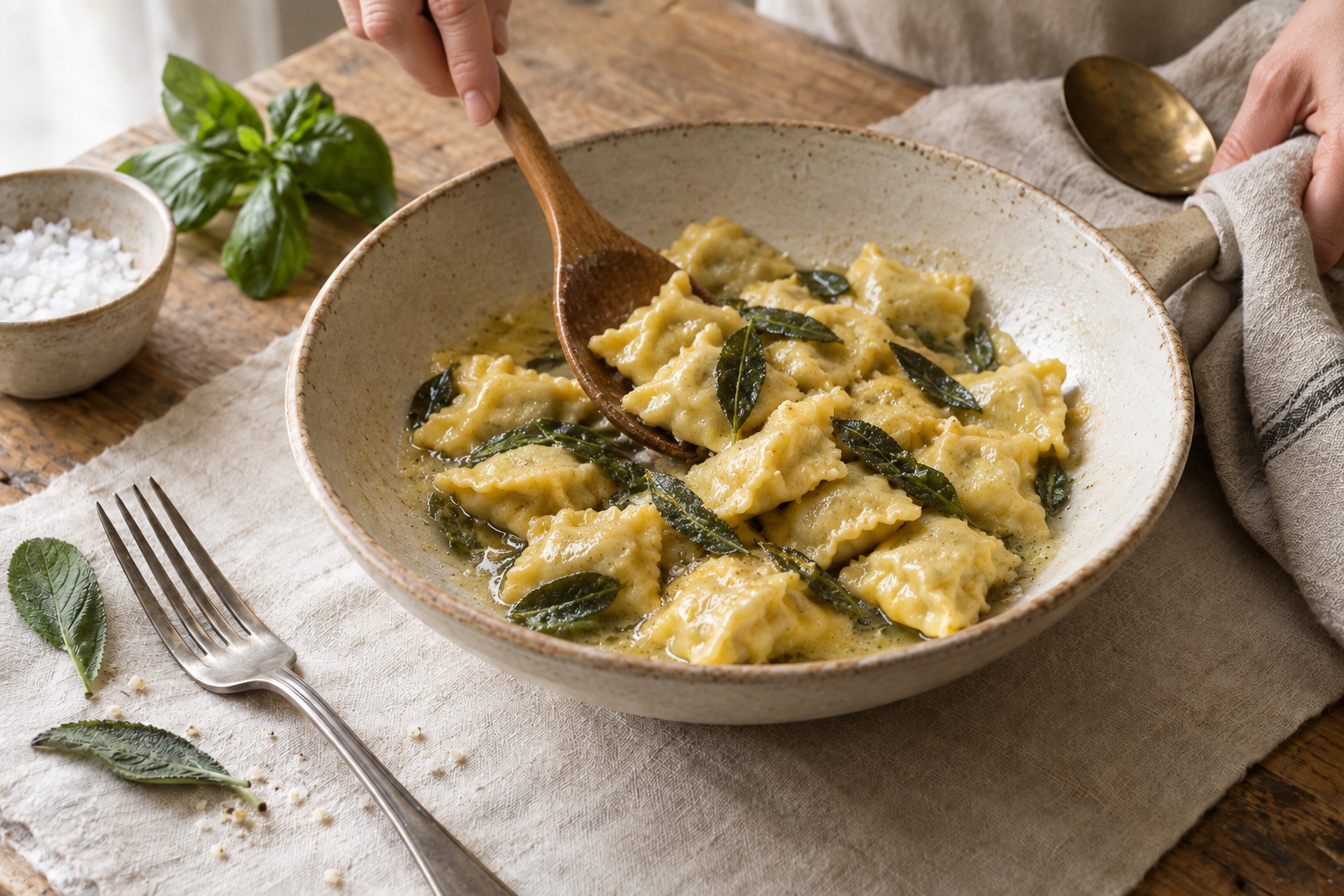
Agnolotti del plin are tiny Piedmontese pasta parcels filled with roast meat; a pinch-and-fold method keeps shaping manageable and the filling tender.
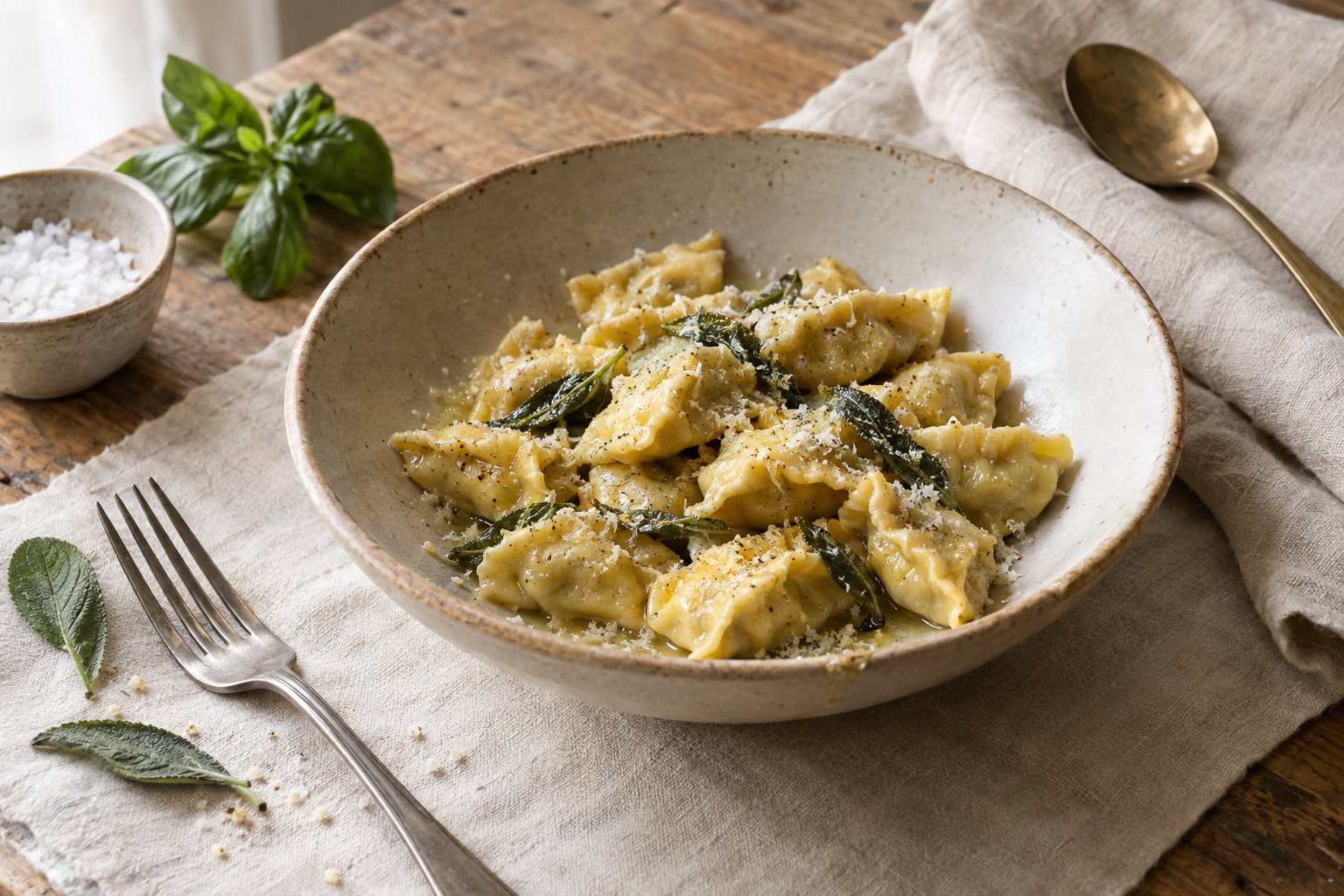
Agnolotti del plin are small, roast-meat-filled pasta parcels from Piedmont, shaped by pinching dough between each mound of filling. In the Langhe, a hilly area known for these little parcels, cooks often turn leftover roast into a finely chopped filling. Plin means “pinch” in Piedmontese, and that simple motion is the defining part of the shape.
I keep the filling egg-free and use a little grated cheese and broth to help it hold together. That makes it easier to portion and avoids adding raw egg to the center. Roll the dough thin, but not so thin that it tears when you pinch the parcels closed. Keep the filling cold and work with one strip of dough at a time; the rest can wait under a towel.
After dinner, Easy Italian Panna Cotta Recipe makes a cool, simple finish. The narrow dough strip, compact filling, and deliberate pinch make this version approachable while keeping the pasta tender and full of roast flavor.
By Lucia Moretti
Step by step
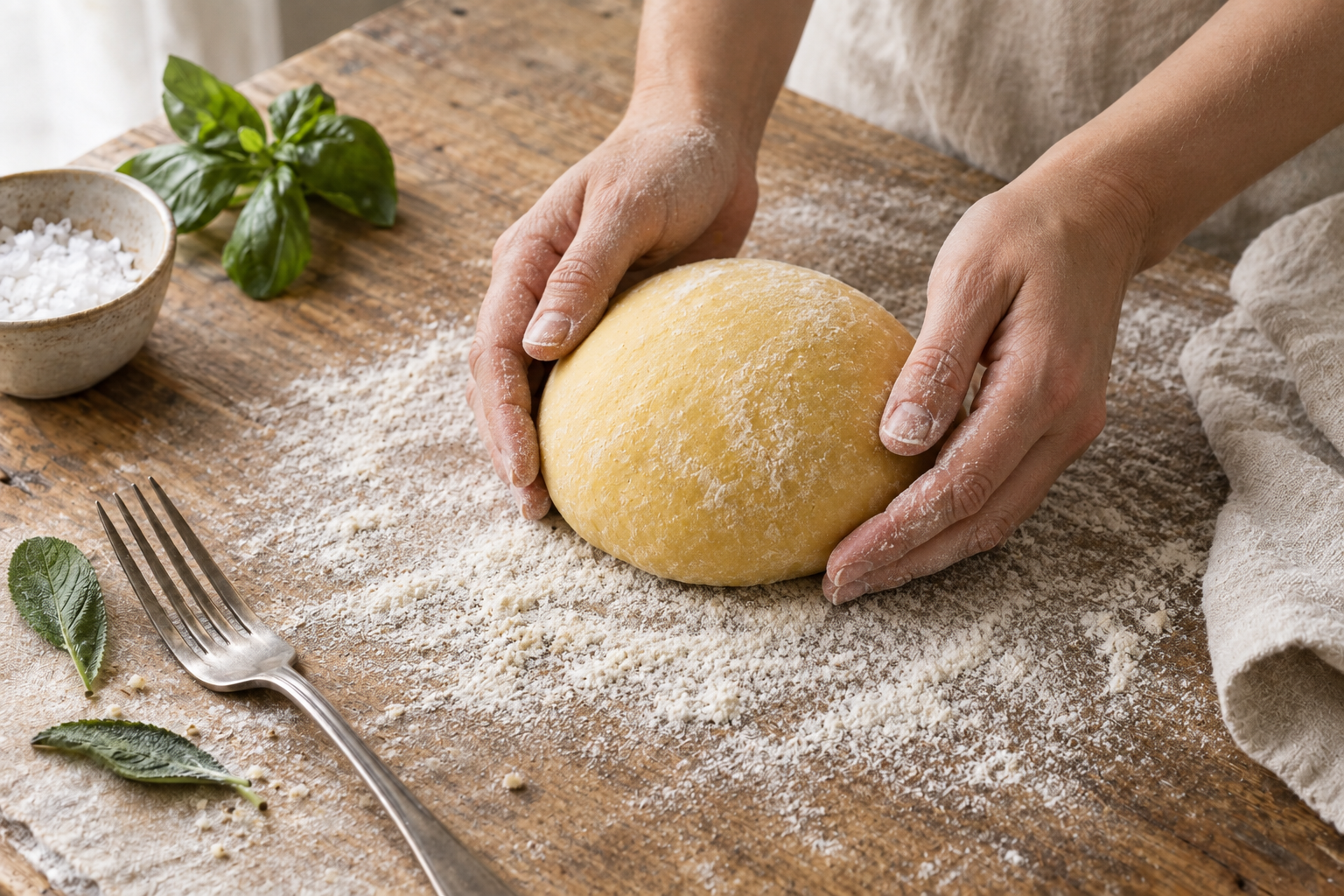
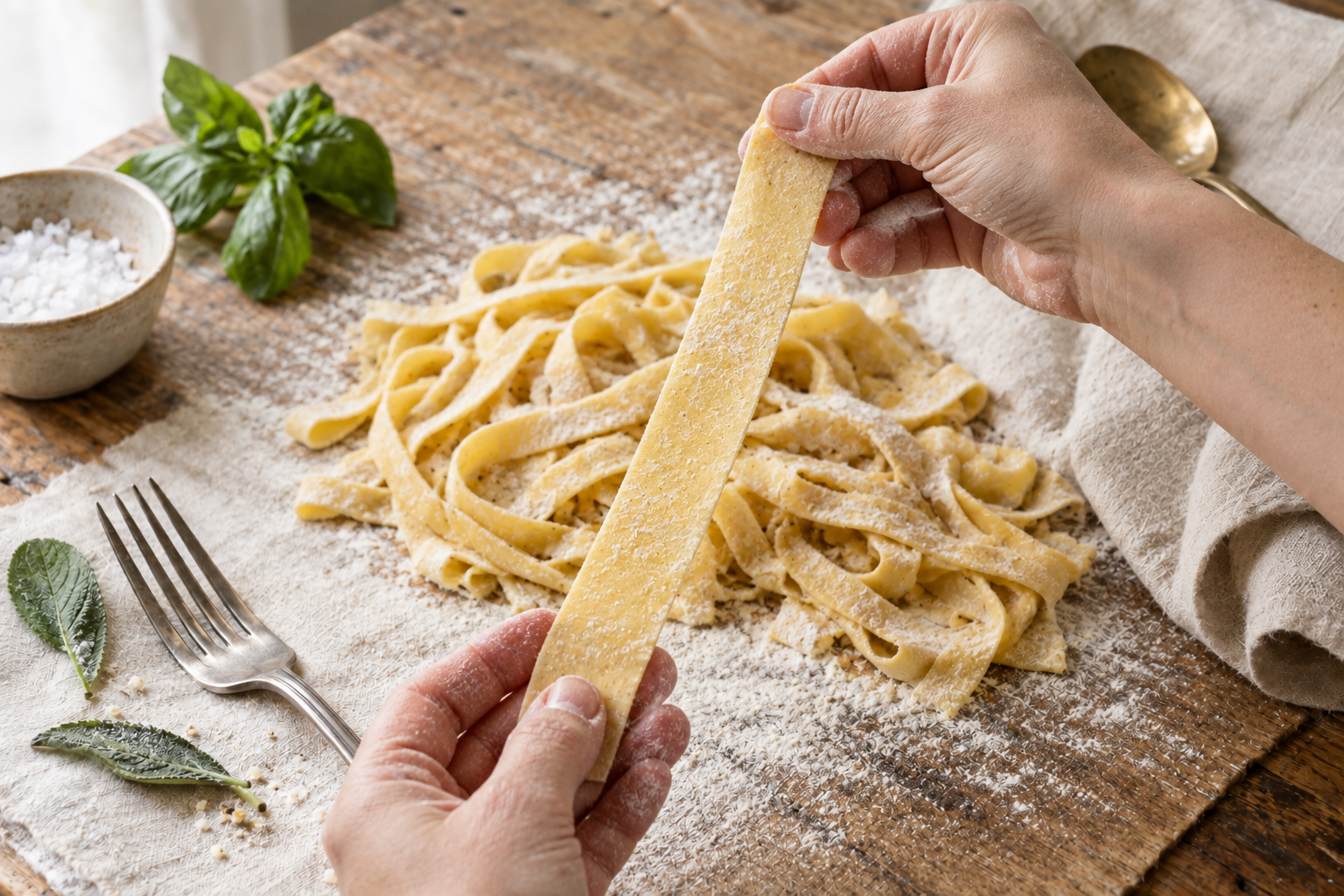
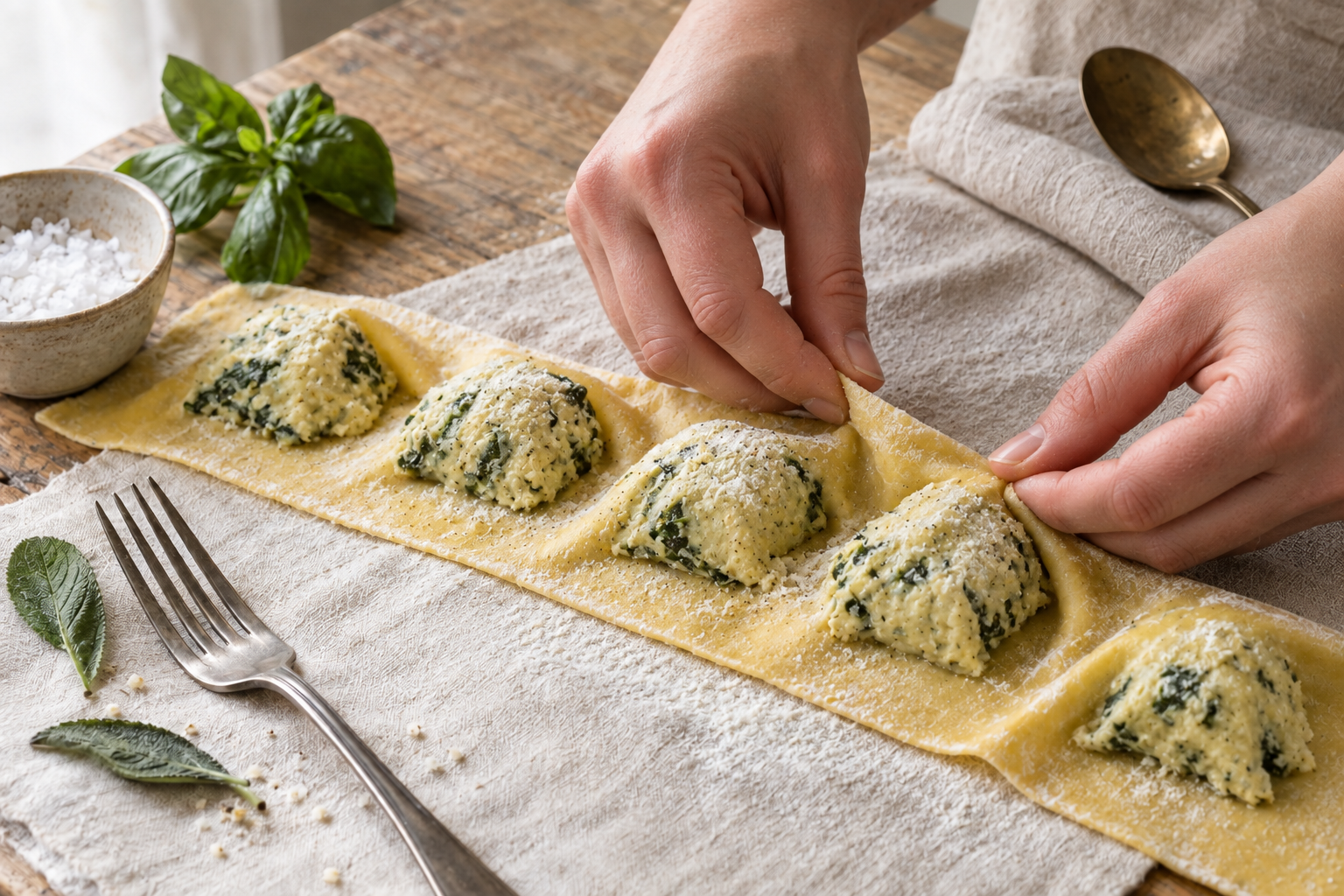
These photos follow the method in order, from the first prep step to the plated dish.
Where It Goes Wrong
The dough springs back while rolling. Cover it and rest for another 10–15 minutes, then roll again.
| Symptom | Cause | Fix |
|---|---|---|
| The dough springs back while rolling. | It has not rested long enough, so the gluten is still tight. | Cover it and rest for another 10–15 minutes, then roll again. |
| The pasta tears around the filling. | The sheet is too thin, or the filling is wet and heavy. | Roll one setting thicker and make sure the greens are squeezed dry and the filling is compact. |
| The seams open in the pot. | Air is trapped inside, or the edges were not pressed firmly together. | Press out air around each mound before pinching, seal the edges firmly, and cook at a gentle boil. |
| The parcels stick to the tray. | They are touching or the tray is not dusted with flour. | Arrange them in one layer on a lightly floured tray and cook soon after shaping, or freeze them on the tray. |
| The filling tastes dry or crumbly. | The roast was lean or the greens were squeezed very dry without enough moisture added back. | Mix in broth or pan juices a teaspoon at a time until the filling holds together when pressed. |
Recipe
Ingredients
Method
- 1
Make the dough. Mound the flour on a clean counter and make a well in the center. Add the eggs and salt, beat them with a fork, then gradually draw in flour until a shaggy dough forms. Knead for 8–10 minutes, until smooth and elastic; cover and rest at room temperature for 30 minutes.
- 2
Make the filling. Finely chop the roast and cooked greens by hand, or pulse them briefly in a food processor. Stir in the cheese, broth or pan juices, salt, pepper, and nutmeg. The mixture should hold its shape when pressed, not look wet or pasty. Cover and chill while you roll the dough.
- 3
Roll the dough. Cut the dough into 4 pieces and keep 3 covered. Roll one piece through a pasta machine, narrowing the setting gradually, or use a rolling pin. Aim for a strip about 1 mm thick and 3 inches (8 cm) wide; you should be able to see a shadow through it, but it should not tear when lifted.
- 4
Fill the strip. Place small teaspoons of filling in a line down the center, leaving about ¾ inch (2 cm) between mounds and a clear edge along both sides. Use roughly ½ teaspoon of filling per mound; oversized portions make the seams hard to seal.
- 5
Shape the plin. Fold the long edge of dough over the filling and press the two layers together along the length of the strip, pushing out air as you go. Pinch firmly in the gaps between each mound to form the characteristic little waists, then cut along the folded edge and between the pinches with a fluted wheel or knife. Set the parcels on a lightly floured tray and cover with a clean towel.
- 6
Repeat with the remaining dough and filling. Keep finished agnolotti in a single layer so they do not stick together. Bring a large pot of well-salted water to a gentle boil, not a hard rolling boil that can split the seams.
- 7
Cook the agnolotti in batches for about 4–5 minutes, stirring gently once so they do not settle on the bottom. The edges should look tender and the parcels should float, but do not rely on floating alone for doneness. Check the largest parcel with a thin-tip instant-read thermometer: open it and check the center of the filling. It must reach 165°F (74°C) because the filling uses cooked leftovers. If it has not, return the pasta to the water and check again after 30 seconds.
- 8
Make the butter sauce while the pasta cooks. Melt the butter in a wide skillet over medium-low heat. Add the sage and cook until the butter smells nutty and the sage is fragrant, about 2 minutes; do not let the butter darken past golden. Transfer the cooked agnolotti with a slotted spoon, add a splash of pasta water, and gently toss until the sauce clings. Serve right away.
FAQ
What does plin mean? Plin means “pinch” in Piedmontese. It describes the pinched seams that divide the small filled pasta parcels.
What does plin mean?
Plin means “pinch” in Piedmontese. It describes the pinched seams that divide the small filled pasta parcels.
Can I use leftover roast beef for agnolotti del plin?
Yes, cooked roast beef works well, as do leftover pork or veal. Chop it finely, keep it refrigerated until you shape the pasta, and cook the filled parcels until the center of the filling reaches 165°F (74°C).
Can I freeze agnolotti del plin?
Yes, freeze them uncooked in a single layer until firm, then transfer them to a freezer bag. Cook from frozen in gently boiling water, adding a few minutes and checking that the filling reaches 165°F (74°C).
Do I need a pasta machine to make agnolotti del plin?
No, a rolling pin works. Roll the dough evenly to about 1 mm thick so it is thin enough to cook through but sturdy enough to seal around the filling.
Comments
No approved comments yet.
Sign in to leave a comment. Comments stay hidden until they are approved.
Related recipes
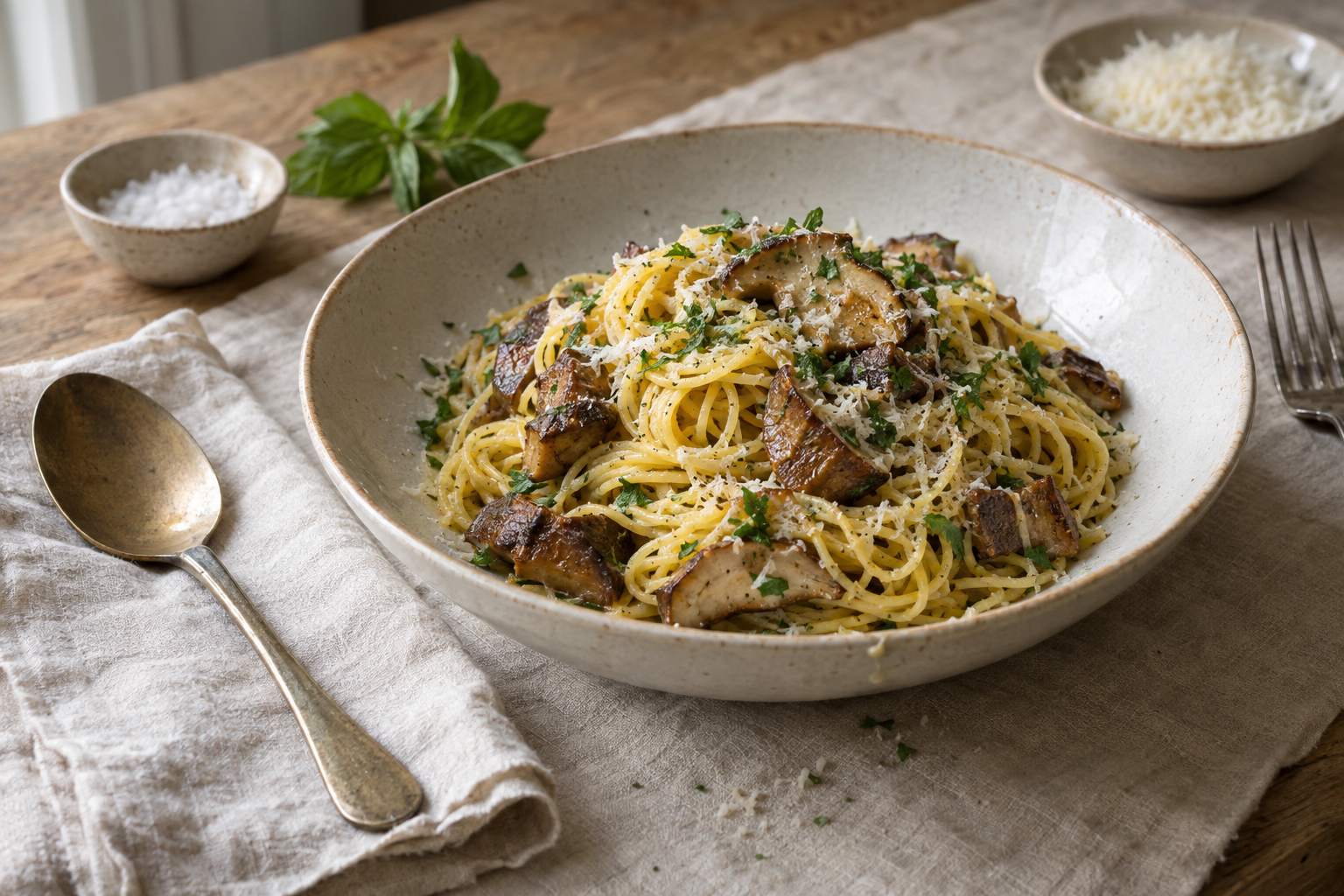
Tajarin with Porcini Mushrooms
Tajarin with porcini mushrooms combines fine Piedmontese egg noodles and earthy mushrooms, with clear directions for fresh or dried porcini.
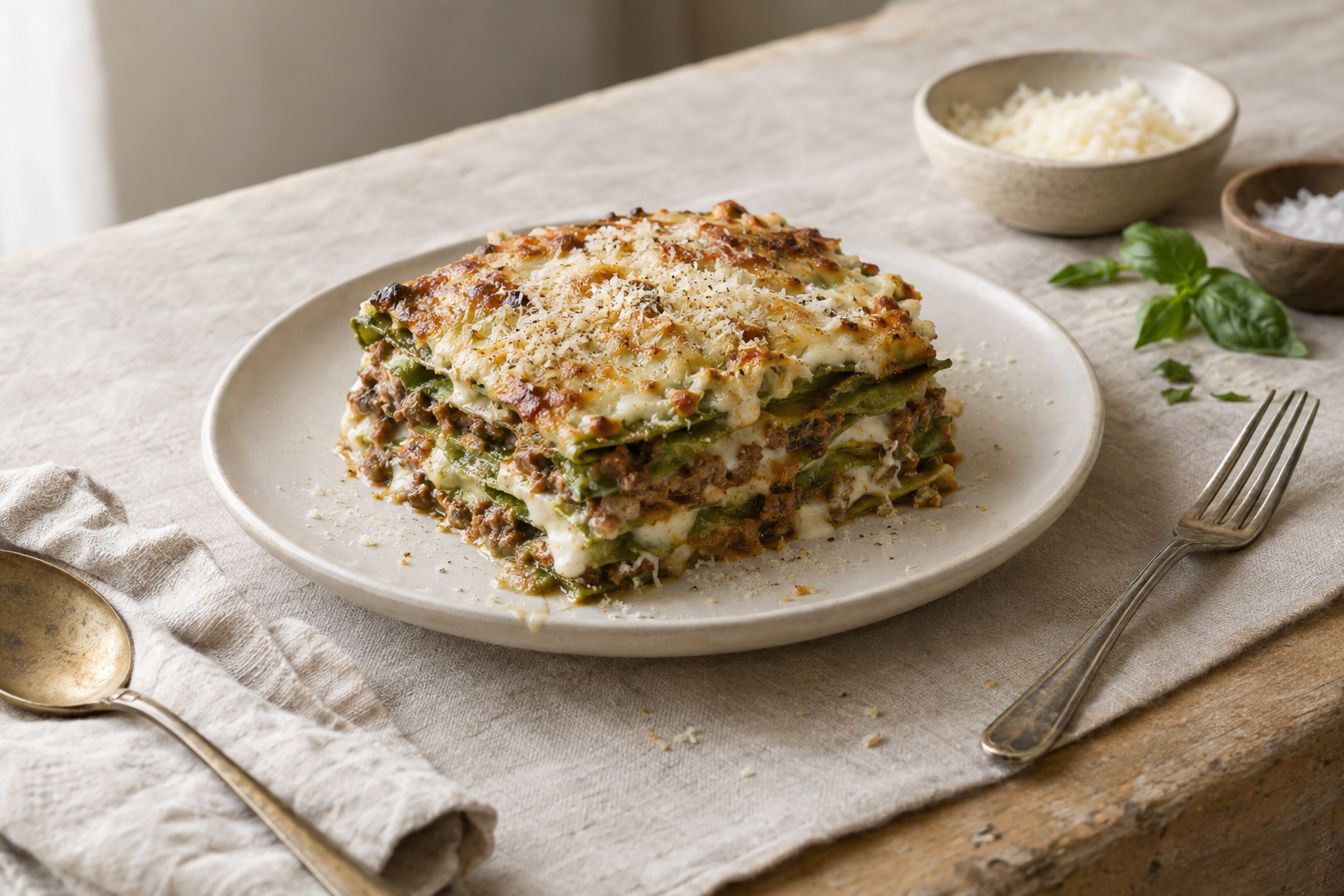
Lasagna Bolognese Recipe From Scratch
This lasagna Bolognese layers fresh spinach pasta, slow-cooked ragù, béchamel, and Parmesan, with make-ahead steps that keep dinner manageable.
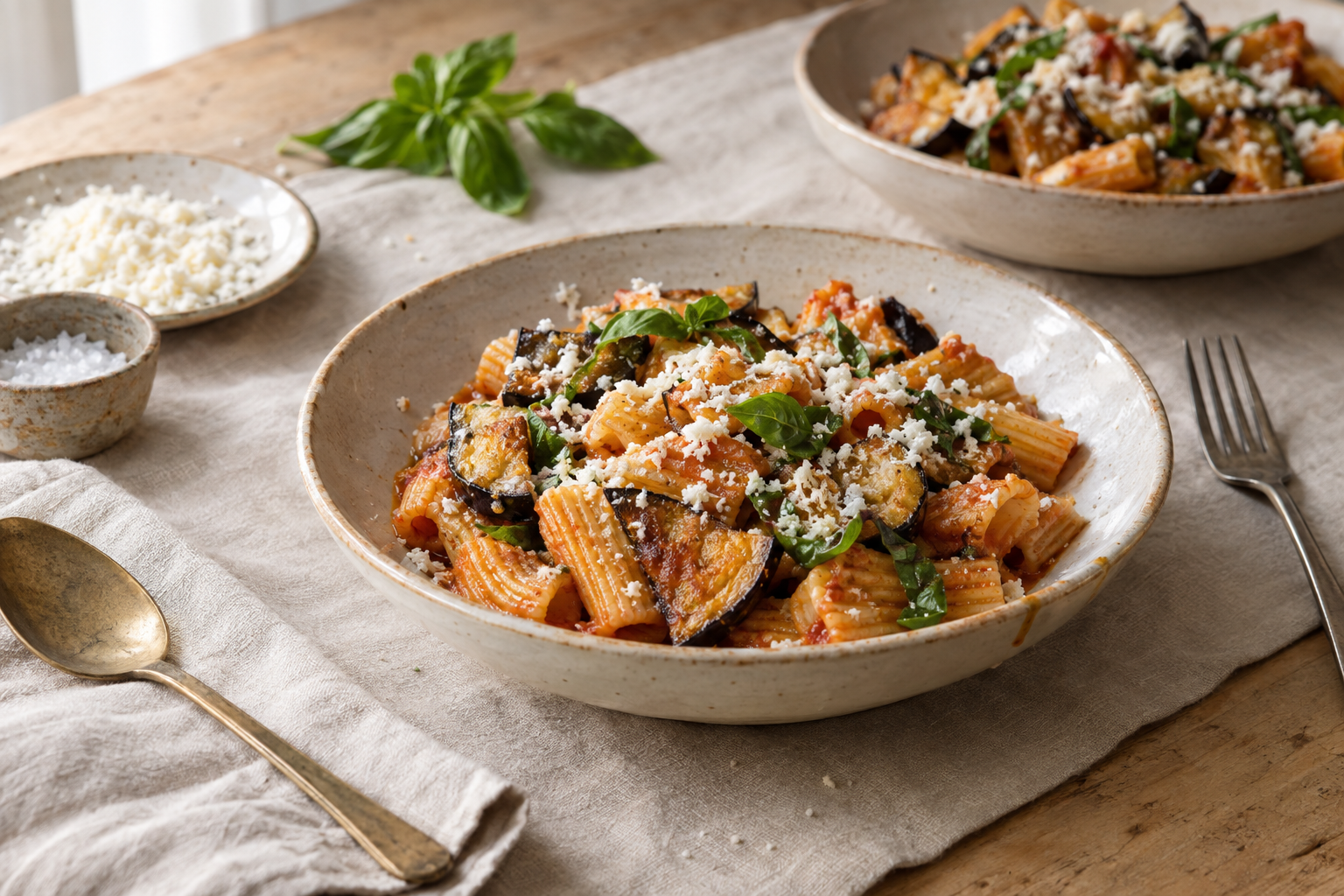
Pasta alla Norma Recipe
This pasta alla Norma recipe pairs tender tomato sauce and basil with crisp fried eggplant and salty ricotta salata for a balanced Sicilian supper.
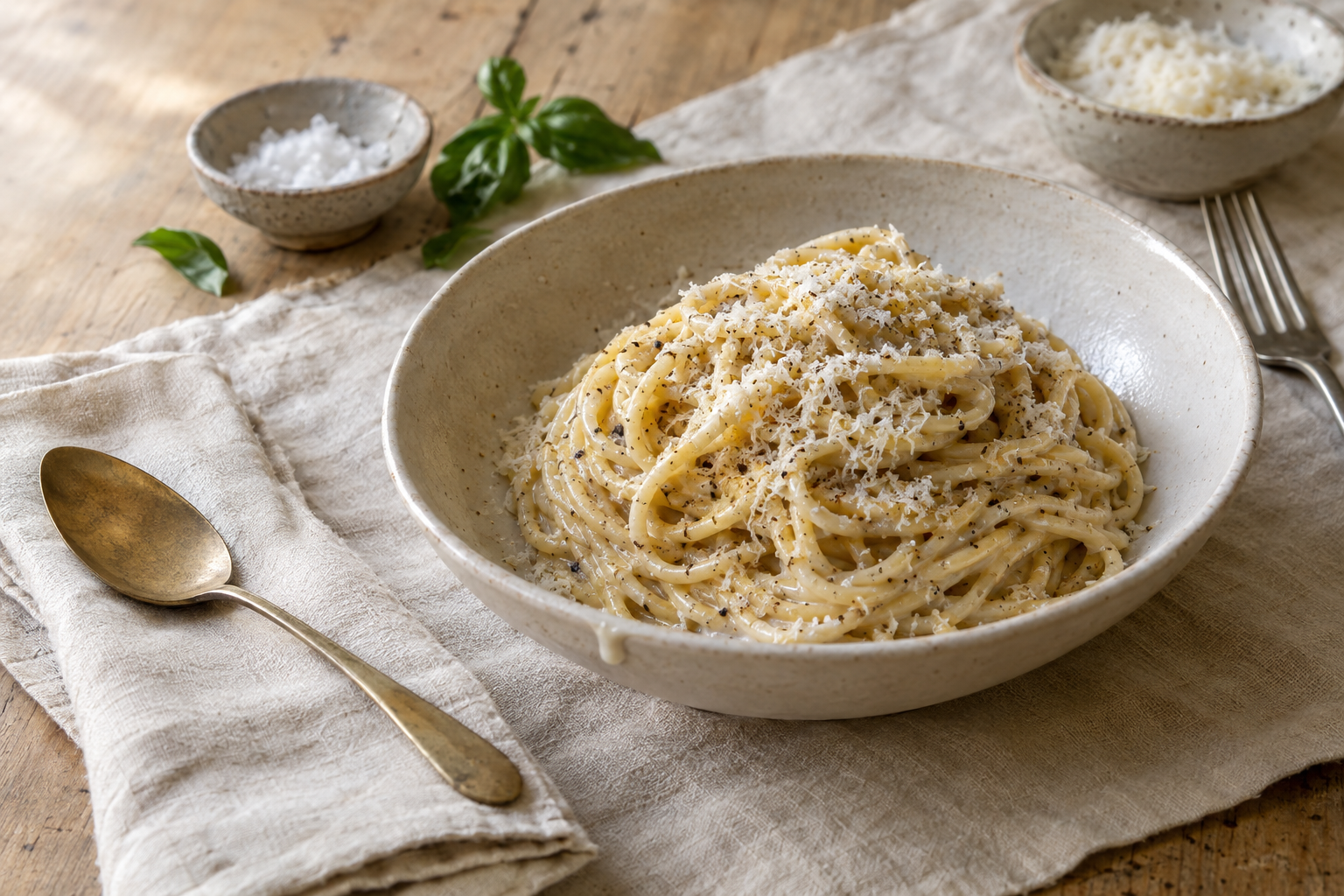
Easy Cacio e Pepe Recipe
This easy cacio e pepe recipe uses finely grated Pecorino Romano, toasted black pepper, and starchy pasta water for a smooth, clingy Roman sauce without cream.